

“Nothing About Us Without Us”
The Canadian Association of People who Use Drugs (CAPUD) is a national organization that is comprised entirely of people who use(d) drugs, including our board and staff. One of our main purposes is to empower people who currently use drugs deemed illegal to survive and thrive, with their human rights respected and their voices heard. We envision a world where drugs are regulated and the people who use them are not criminalized. We are survivors of this war and we’ll continue to fight for policy reform that is based in evidence, understanding and compassion.
We didn’t start the war, but we will end it!
CAPUD is raising the voice of people who use(d) drugs throughout the policy making process at every level of government.
We strive to reduce oppressive societal conditions that people who use drugs face and emphasize the need for their direct involvement in public policy decision making. We focus on the strengths, talents, and merits of our membership as we build a better future for people who use drugs.
#DrugDecrimCanada
Check out our Microsite for the new Policy Platform documents and Press Releases
How to Spot Someone So They Never Have To Use Alone
This is the launch of an educational animation about spotting - an overdose prevention method done by phone or video call. This new resource from CAPUD is available in both official languages and provides a step by step guide about spotting. Also, check out the Comic Book Graphic of our spotting videos below!
© 2021 CAPUD. All rights reserved.
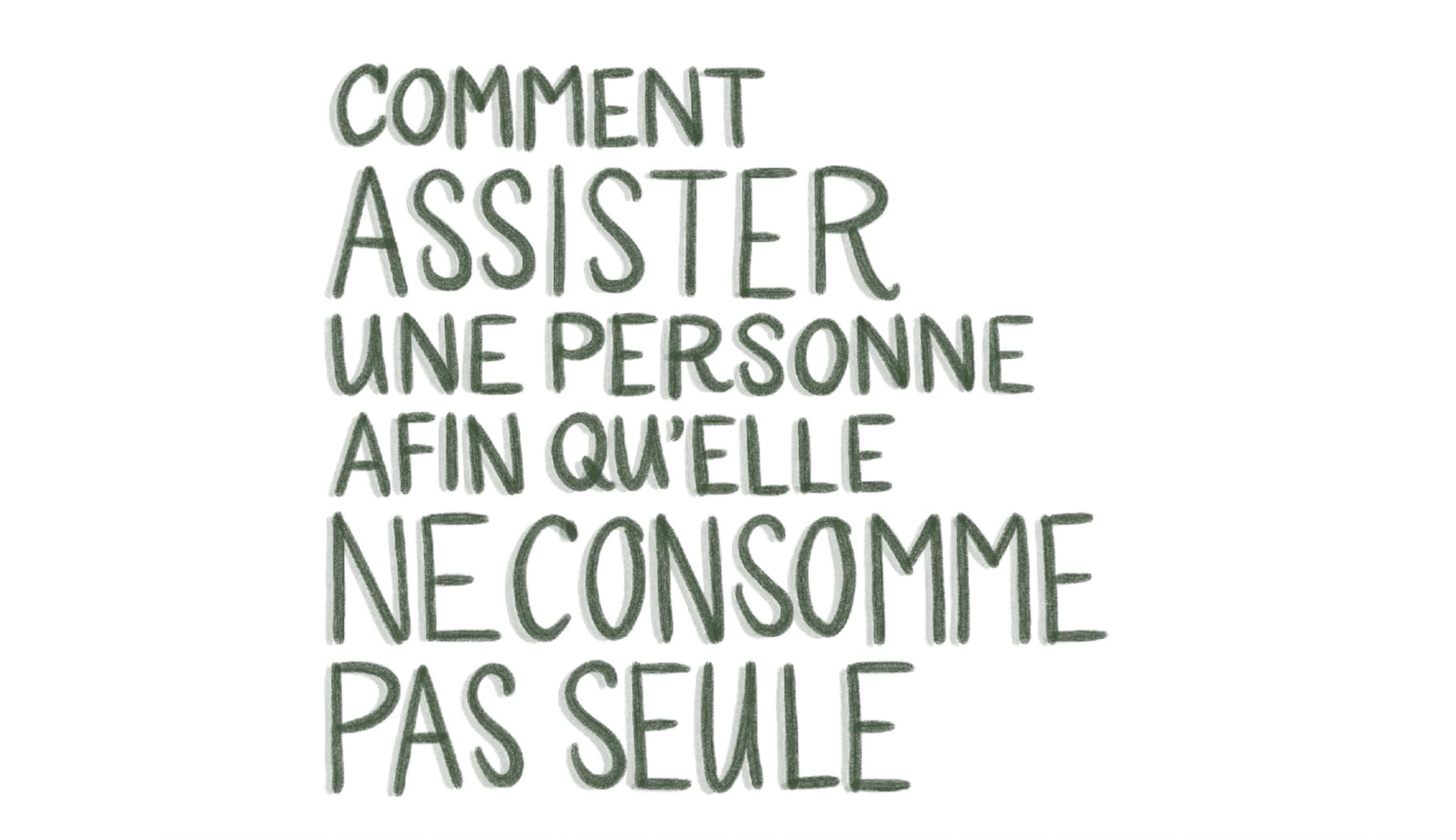
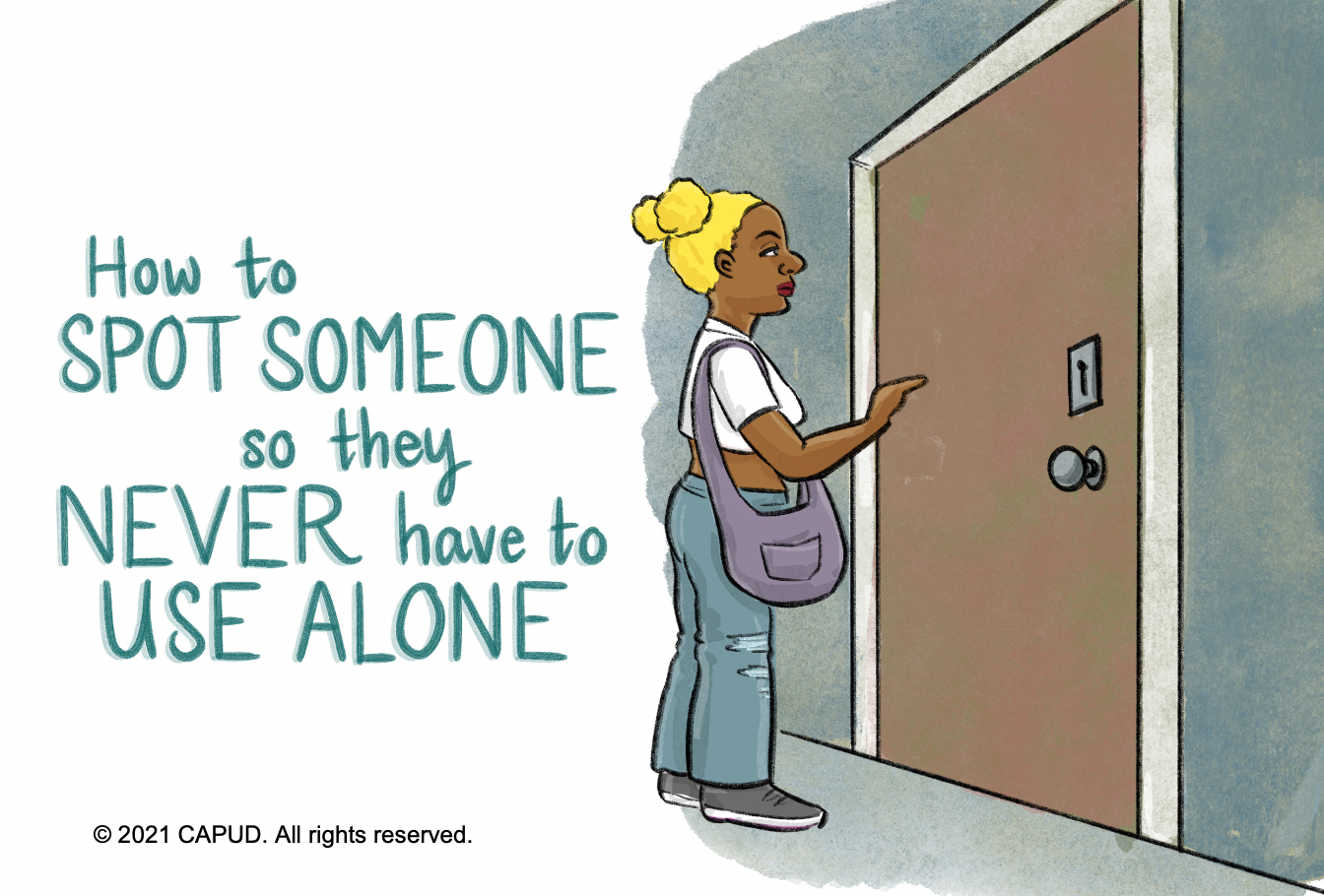
English Spotting Comic Book
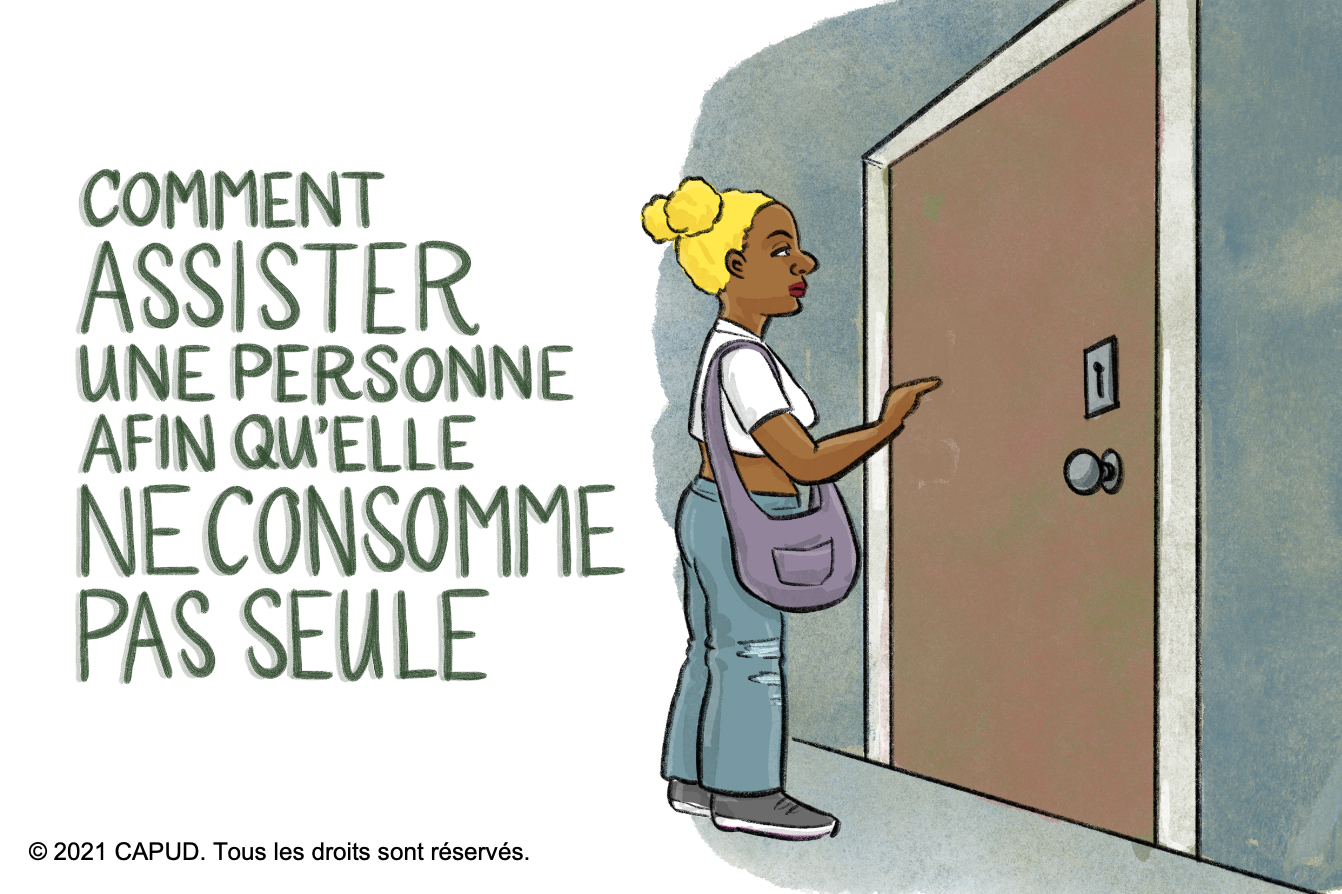
French Spotting Comic Book
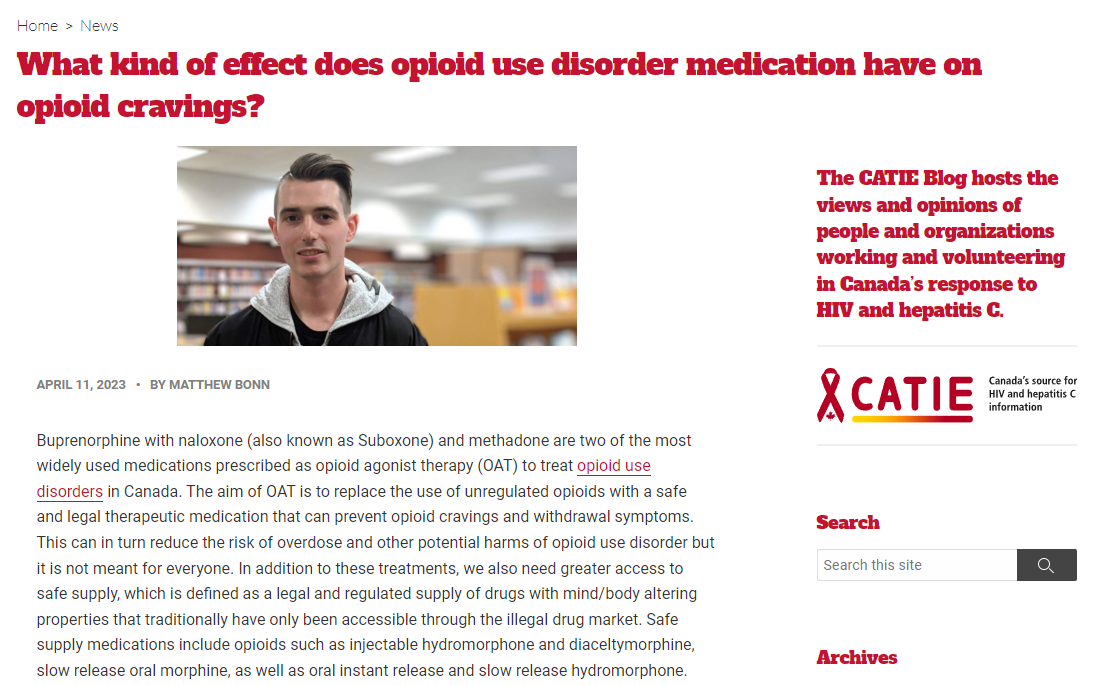
New and up and coming blog on CATIE
CATIE is one of our larger national harm reduction partners that help reduce sexually transmitted diseases such as HIV/AIDS, Hepatitis C, endocarditis, and more. This is a plain language summary written by our Program Matthew Bonn.
LINK AVAILABLE:
https://blog.catie.ca/?p=5247
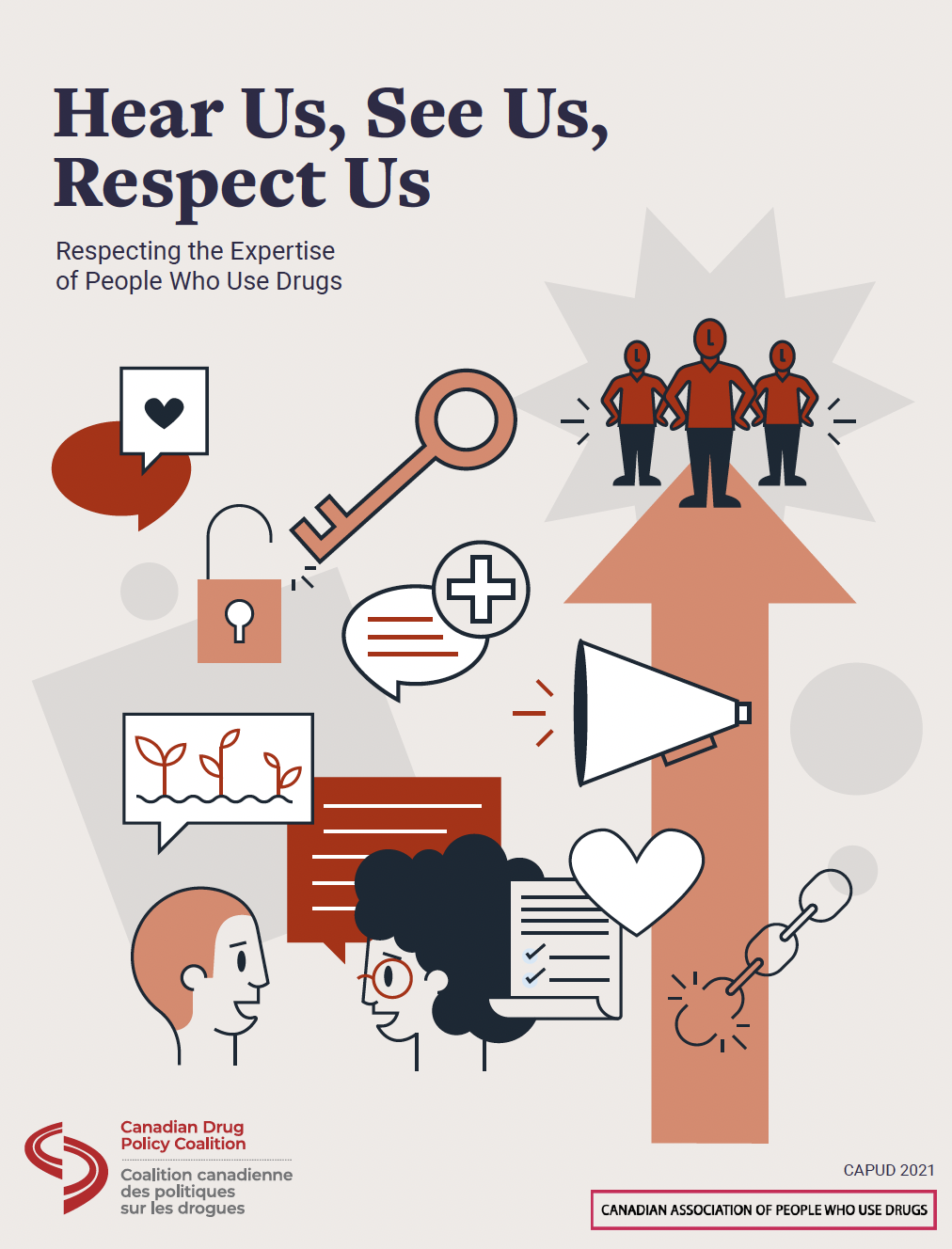
Hear Us, See Us, Respect Us: Respecting the Expertise of People who Use Drugs
This report is a summary of key findings of a national community-based research project to identify existing and emerging best practices in respecting the expertise of people who use(d) drugs (PWUD). It is our hope that by identifying best practices in equitable, meaningful, and respectful, engagement of PWUD, we will provide PWUD a solid evidence base from which to advocate for better inclusion in programs, policies, protocols, and initiatives. This document will also provide a framework for organizations to reflect on policies, practices, and structures and adapt to what is heard by the knowledge, perspectives, and expertise that PWUD share in this document. Ultimately, CAPUD seeks to uphold PWUD human rights at all costs to ensure equitable and just opportunities within program and policy domains that affect their lives.
PREFERRED CITATION:
Touesnard, Natasha, Patten, San, McCrindle, Jenn, Nurse, MIchael, Vanderschaeghe, Shay, Noel, Wyatt, Edward, Joshua, & Blanchet- Gagnon, Marie-Anik. (2021). Hear Us, See Us, Respect Us: Respecting the Expertise of People who Use Drugs (3.0). Zenodo. https://doi.org/10.5281/zenodo.5514066
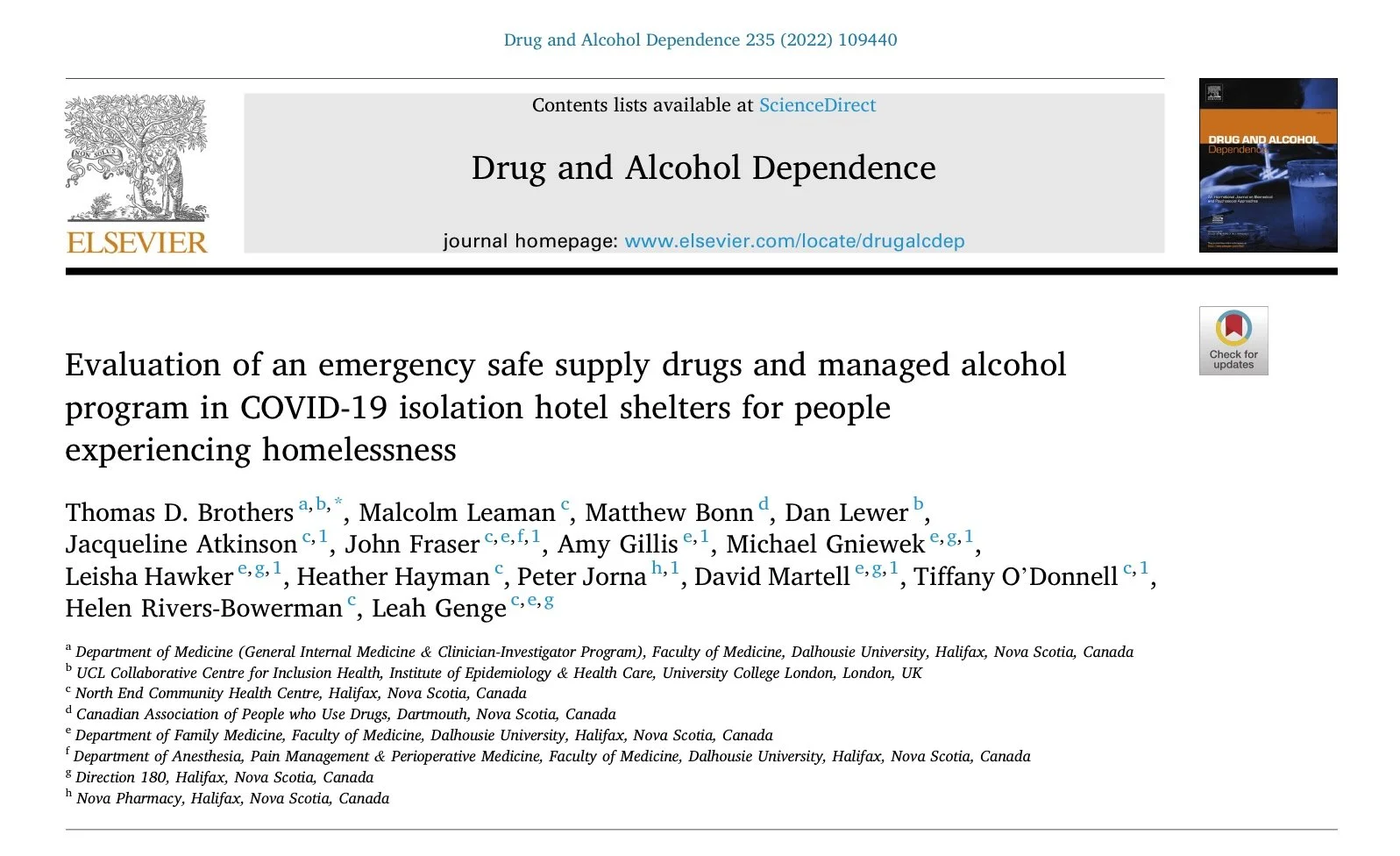
Evaluation of an emergency safe supply drugs and managed alcohol program in COVID-19 isolation hotel shelters for people experiencing homelessness
An emergency safe supply and managed alcohol program, paired with housing, was associated with low rates of adverse events and high rates of successful completion of the 14-day isolation period in COVID-19 isolation hotel shelters. This supports the effectiveness and safety of emergency safe supply prescribing and managed alcohol in this setting.
PREFERRED CITATION:
Thomas D. Brothers, Malcolm Leaman, Matthew Bonn, Dan Lewer, JacquelineAtkinson, John Fraser, Amy Gillis, Michael Gniewek, Leisha Hawker, Heather Hayman, Peter Jorna, David Martell, Tiffany O’Donnell, Helen Rivers-Bowerman, Leah Genge. Evaluation of an emergency safe supply drugs and managed alcohol program in COVID-19 isolation hotel shelters for people experiencing homelessness.medRxiv 2022.01.14.22269074; doi: https://doi.org/10.1101/2022.01.14.22269074

CAPUD supports defunding the police and re-allocating funds to the community to ensure a community-driven response instead of a policing response.
Let’s reimagine a system that resembles our needs, that does not tolerate racism, perpetuate harm or death.

Resources
COVID-19 resources for people who use drugs
20 Canadians a day on average have died from opioid and fentanyl overdoses between 2016 and 2021
Source: Canadian government
Land Acknowledgment
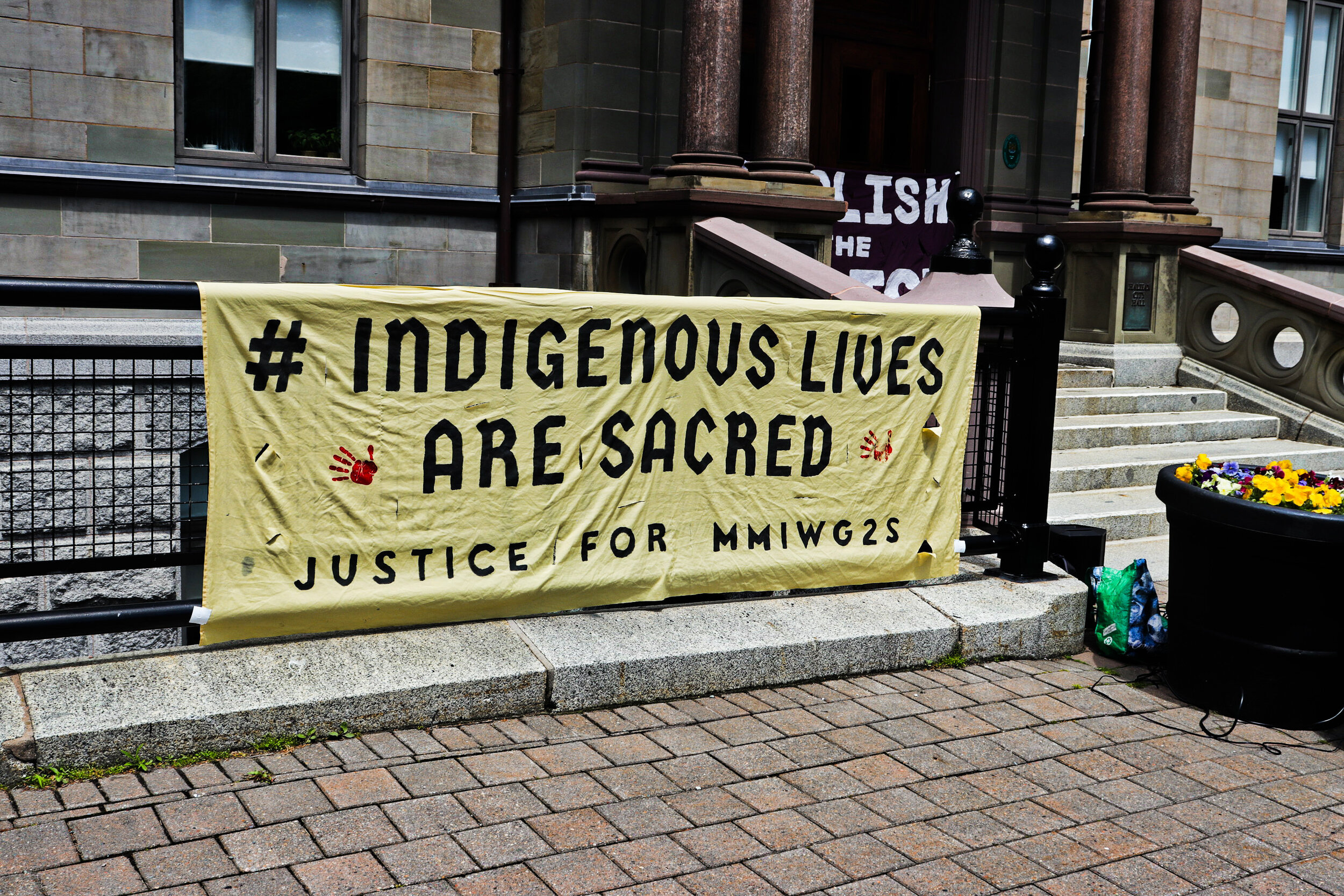
We would like to acknowledge that the land we work, live and play on the ancestral and unceded territory of the Indigenous People of Turtle Island. While acknowledging territory is very welcome, it is only a small part of cultivating strong relationships with the Indigenous Peoples. Acknowledging territory should take place within the larger context of genuine and authentic working relationships as we work to forge real understanding and challenge ongoing colonialism and oppression. We must strive to meaningfully collaborate and respect all of the Indigenous Peoples.
Membership
Become a CAPUD Member
Are you someone who currently or formerly uses drugs? If so, and you want to get involved in advocacy, policy, and creating effective change, join our membership.
Stay tuned for upcoming opportunities!